Corporate reputation: why FMCG’s best stories are hiding in the supply chain
Whitworth Bros’ early-harvest story is a reminder that the strongest corporate communications ideas are rarely invented in a meeting room. They are found by getting closer to the farms, factories and people behind the business.
There is a tendency in FMCG communications to start with the calendar. A launch is coming, a sustainability report is due or a campaign slot needs filling, so the search begins for an idea big enough to create attention.
But the strongest corporate stories are rarely invented to order. They are already happening inside the business – in its farms, factories, warehouses, laboratories and retailer conversations. The real challenge is getting close enough to find them.
That is one of the most important roles an FMCG PR agency can play. Not manufacturing a news moment, but uncovering the operational truth that makes a business relevant to a much wider audience.
When an important initiative is not yet a story
Whitworth Bros, Britain’s largest flour miller, wanted to build greater understanding of Rooted in Soil, its work supporting farmers and strengthening the resilience of the land on which the food system depends.
The subject mattered. Soil health, agricultural resilience and food security are fundamental to every food and drink business. But importance alone does not guarantee attention. Corporate communications can easily become trapped in worthy but familiar language about commitments, partnerships and progress.
To make people care, we needed to understand what Rooted in Soil looked like in practice – and what was happening on the ground right now.
The story was waiting in the field
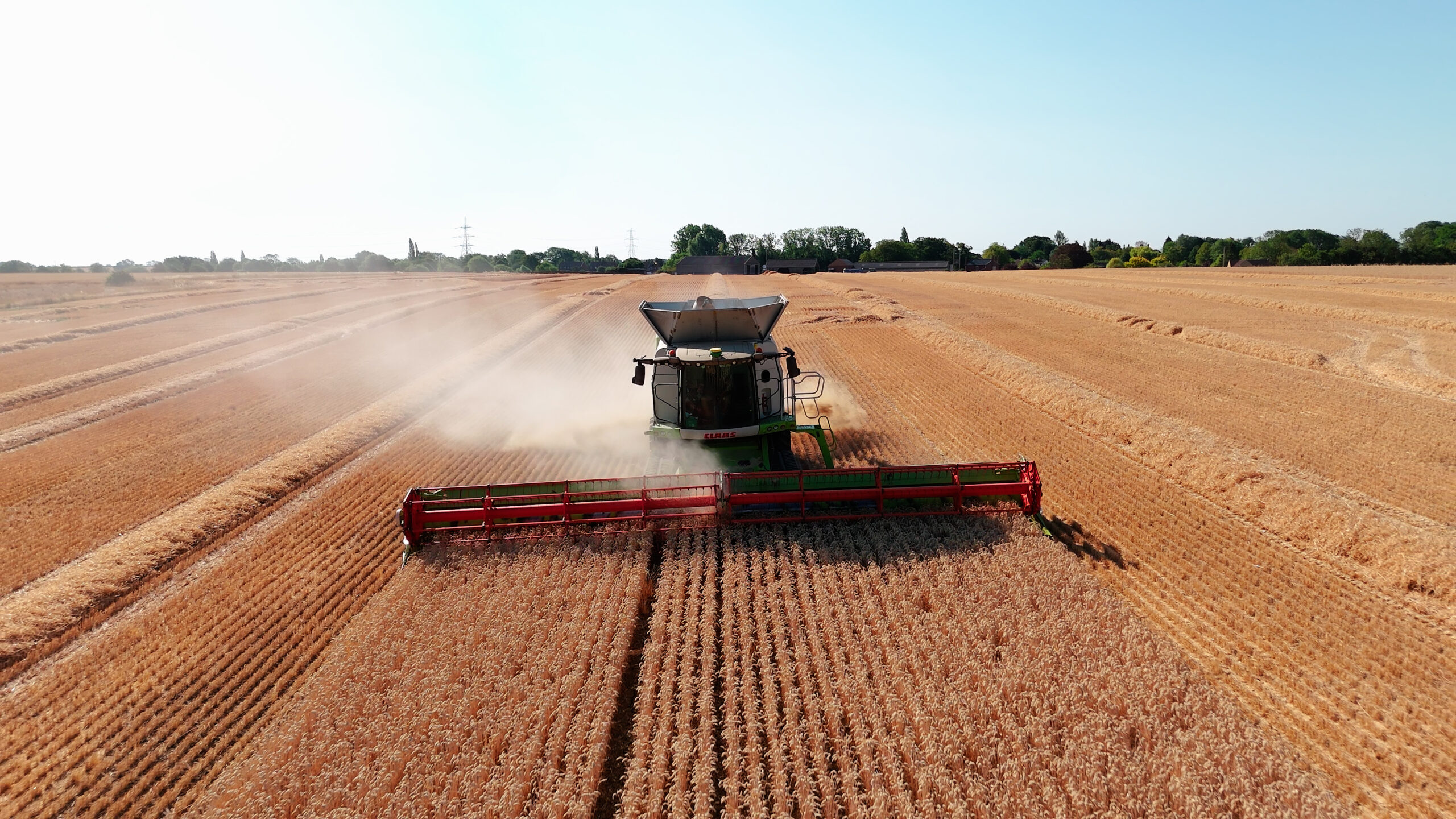
Our team visited the farm with Whitworth Bros and spent time talking to farmer Tristan Ashby. During that conversation, we discovered that the unusually warm, dry conditions meant he was preparing for what could be the earliest harvest since 1976.
That one specific fact changed the communications opportunity. It connected Whitworth Bros’ long-term work on soil resilience with an immediate national conversation about weather, farming and the security of Britain’s food supply.
The harvest became the timely way into the story, but it was not the whole story. It created a reason to talk about how farmers were responding, why resilient soil matters and what changing conditions could mean further along the food chain – from the mill to the products people buy every week.
The result was extensive national and regional broadcast coverage, including BBC Breakfast live from the farm, BBC News, BBC Look East and Farming Today. The weather provided the news hook; the people, evidence and operational substance gave the story depth.
What should corporate and FMCG marketers learn from it?
1. Get out of head office
The people closest to the operation often know the most compelling stories, but they may not recognise them as communications opportunities. Farmers, factory managers, technical teams, buyers, suppliers and logistics partners see changes before they reach a board presentation.
A strong corporate PR agency should create regular opportunities to speak to those people directly. Story mining cannot be done entirely through scheduled marketing meetings.
2. Look for the specific, not the generic
Supporting more resilient agriculture is important, but broad. The earliest harvest since 1976 is specific, surprising and immediately understandable. It gives journalists and audiences something concrete to hold onto.
For effective brand reputation management, claims need evidence. Look for the number, observation, change or human experience that proves the wider point.
3. Connect company truth to outside relevance
A story becomes powerful when it answers two questions: why does this matter now, and why should anyone outside the company care? In this case, the answer extended well beyond flour milling. It touched food resilience, changing weather, farming livelihoods and the everyday food supply.
That same discipline should sit behind every retail communication strategy. The business needs to be part of the story because it has genuine authority or evidence, not because its name has been forced into a topical conversation.
4. Put credible people at the centre
Broadcast media needs people, pictures and a sense of place. The farm provided all three. Tristan could explain what he was seeing in the field, while Whitworth Bros could connect those changes to milling, innovation and longer-term supply-chain resilience.
This combination of independent experience and corporate expertise is far more persuasive than a single, highly polished spokesperson delivering pre-approved messages.
5. Build readiness before the news cycle arrives
Finding the story is only the beginning. The team also needs evidence, spokespeople, access, visuals and clear messaging ready at speed. A food and drink PR agency should understand how to package operational complexity without oversimplifying it – and how to make it work across television, radio, online and trade media.
Corporate reputation is earned through evidence
This was not a manufactured stunt or an attempt to create alarm around food availability. It was a real development, discovered through proper conversations and handled with credible context.
That distinction matters. Audiences, journalists, retailers and employees are quick to recognise when a business is borrowing an issue without having something meaningful to contribute. The best corporate reputation work begins with what the organisation is genuinely doing, then connects it to the world outside.
For Whitworth Bros, Rooted in Soil was the substance. The unusual harvest was the timely lens that allowed millions of people to understand why that substance mattered.
Your next national story may already be happening
When did your communications team last visit the farm, factory, warehouse or customer behind the corporate narrative? And when did it last ask operational teams not simply what they were doing, but what was changing, surprising or becoming more urgent?
The most effective thought leadership does not begin with a desire to sound authoritative. It begins with real knowledge, first-hand evidence and a point of view earned through experience.
Your next national story may already be happening inside the business. The job is to find it early enough – and understand it deeply enough – to make the rest of the world care.
Joe Public is a specialist FMCG PR agency helping food and drink brands connect corporate, retailer and shopper reality with stories that earn attention. Talk to us about finding the stories already hiding inside your business.