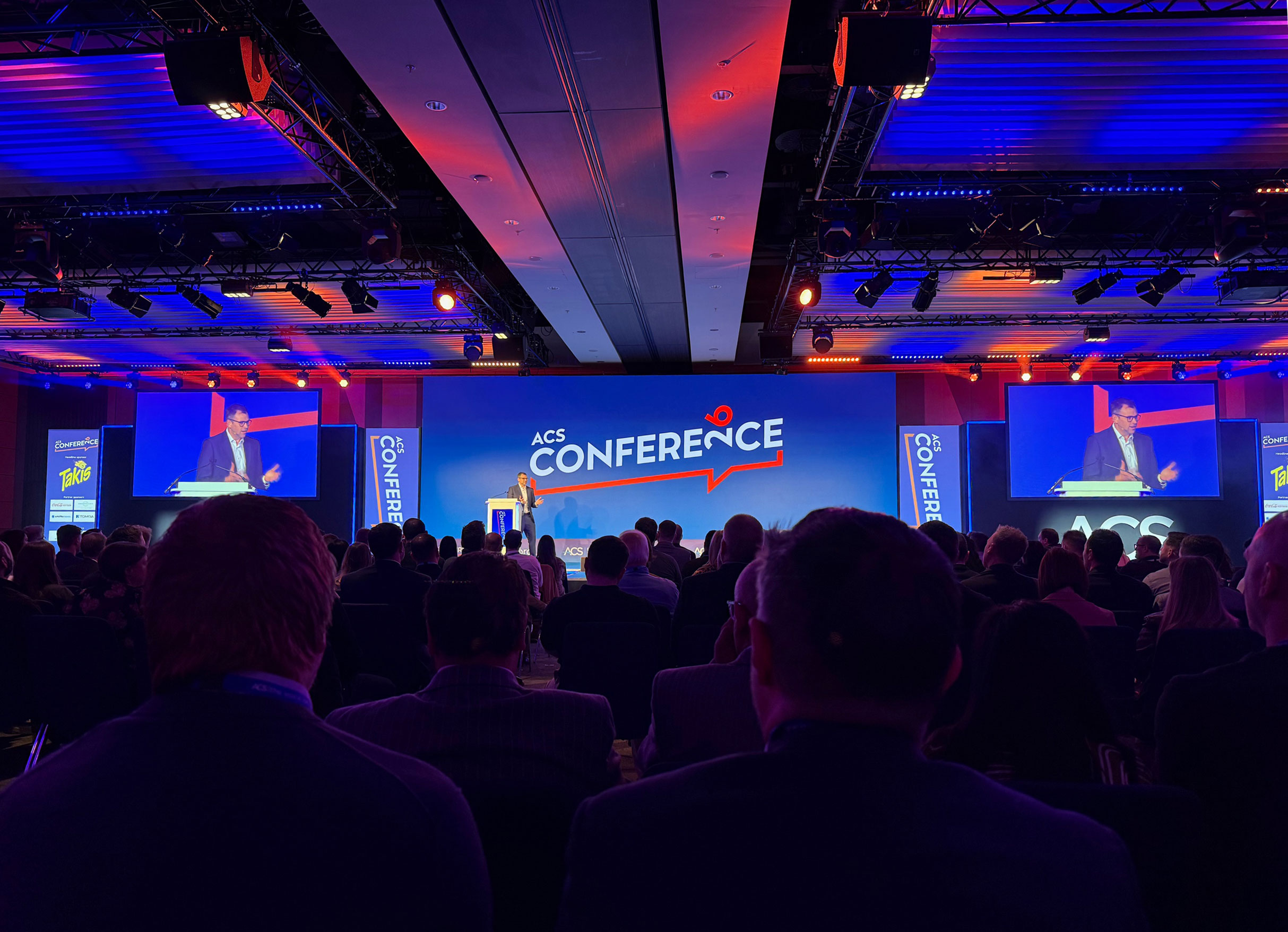
I spent yesterday morning at the ACS (the Association of Convenience Stores) Conference, before enjoying the madness of the National Convenience Show, and walked away thinking the same thing I often do after these sessions…
We talk a lot about retail change, and that directly impacts how brands should be approaching their comms strategies. Because the way people are living, shopping and deciding is shifting at such an epic rate. And PR as a discipline has to respond quickly.
Households are changing. So the “shopper” is too.
We’re seeing more adult kids living at home (I can’t remember the timeframe, but six times as many 25-34 year olds living with their parents rather than living on their own, equating to 3.8m households now having their adults kids under their roof). More multigenerational households. More shared decision-making.
What does this mean for the comms profession? Well the idea of a single shopper mindset just doesn’t hold up anymore. The opportunity for PR isn’t to make messages broader. It’s to make them smarter and more reflective of real-life dynamics. Because behind every moment of purchase now, there are multiple influences, needs and tensions playing out. We’ve all experienced the noise.
Emotional commerce is where PR earns its place
There was a lot of talk about emotional spending. That extra 1%. We talk a lot about the extra 1% in what we do at Joe Public, because those are the moments that you change a great experience to sparkly and exceptional. In the shopper realm, that extra 1% might be a better experience, customer service, convenience, ease, or simply because that CEO said some things that really resonate with your soul.
None of that is driven by price mechanics alone. It’s driven by perception and by trust. And that’s where PR does its best work. Not just amplifying campaigns, but shaping:
- How a brand makes you feel
- How it shows up in moments that matter
- How human it actually is
From customer service to leadership visibility, it all feeds in. We talk a lot about “earned attention” but this is really about earned trust. And in the convenience channel, where decisions are fast and frequent, that matters even more.
It wouldn’t be a conference if AI wasn’t discussed.
AI came up (a lot). And yes, it will transform operations, targeting and personalisation. But the more interesting implication for me is what it does to expectations. If comms becomes more personalised, more immediate, more integrated with retail media… then PR needs to be integrated into your shopper marketing, your experiential/sampling and OOH efforts.
Being a part of the Zeal Group alongside our colleagues at ZEAL Creative and Tommy has allowed us to approach briefs as a breathing ecosystem for our clients, which is an incredibly exciting and rewarding experience for everyone involved. By integrating thinking from our respective disciplines, we can help clients to better connect:
- Closer to the point of purchase
- Across channels, not in silos
- In ways that actually influence behaviour, not just awareness
We say it a lot, but it’s still true: There’s no magic without logic. And the brands that get this right will be the ones joining the dots between insight, creativity and execution properly.
Community isn’t a nice-to-have. It’s a strategic advantage
One stat that stuck with me: 75% of people trust their local community.
At the same time, more people are shopping locally, feeling more valued locally, and actively choosing to support local businesses. Convenience retail sits right in the middle of that. But here’s the thing: proximity alone isn’t enough.
The role of PR is to turn that into something tangible:
- Stories that feel rooted in real communities
- Campaigns that reflect local nuance, not just national messaging
- Partnerships that actually add value at a local level
Convenience isn’t secondary. And PR needs to stop treating it that way
A clear message to brands in the room: Stop thinking about convenience as a secondary channel.
Younger shoppers are using it differently:
- Top-up missions
- Immediate needs
- In some cases, their main shop (wild!)
And with that comes a huge opportunity for PR:
- Faster product discovery
- More experimental behaviour
- A more engaged, in-the-moment shopper
It’s a channel that can flex and move quickly – much quicker than the major mults. There’s heaps of room to have a lot of impact with NPD and localised brand activations that build meaning and resonance with shoppers.
The opportunity for comms to play a more meaningful role has never been greater
PR, integrated into the wider mix, has a real opportunity to help brands connect:
- What people need
- What retailers are dealing with
- And what brands are trying to achieve
Because when those three things align, that’s when PR stops being a layer, and starts being a lever.