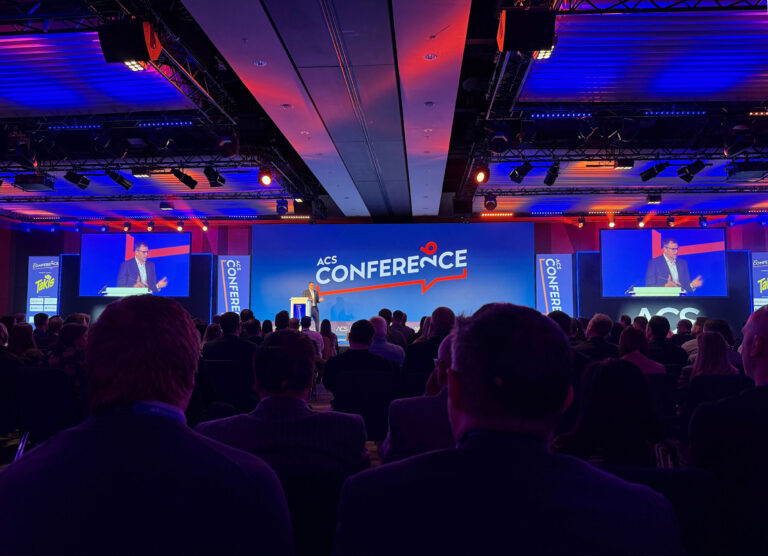
Insights from a recent session with Lumina Intelligence highlight a clear shift: the future of convenience retail won’t just be shaped by price or promotions, but by changing people.
From falling birth rates to delayed parenthood, long-term social trends are redefining who the convenience shopper is – and what they expect from brands.
For FMCG marketers, this is more than context. It’s a strategic turning point.
A changing shopper landscape
UK birth rates are at record lows, while the average age of parenthood continues to rise. The result? Fewer traditional family households – and more shoppers buying for themselves, more often.
Families still dominate today, accounting for around 68% of the convenience market and driving larger, higher-value baskets.
But as demographics shift, so too will those missions.
The rise of the pre-family shopper
The fastest-growing opportunity lies with “pre-family” shoppers – adults spending longer before having children.
They:
- shop little and often
- buy for one or two people
- prioritise convenience and immediacy
- and are more willing to trade up
This is fuelling demand for premium ready meals, food-to-go, elevated snacks and “treat” occasions.
In short: fewer bulk buys, more frequent, experience-led purchases.
Premiumisation is about experience
Delaying life milestones often means more disposable income and more freedom in how it’s spent.
That’s driving a continued shift towards premium convenience – not just as indulgence, but as experience.
Consumers are increasingly looking for:
- restaurant-quality meals at home
- better ingredients and provenance
- products that elevate everyday moments
Rethinking “value”
One of the biggest takeaways: value is no longer just about price. It’s emotional. Today, value is tied to:
- quality
- trust
- consistency
- functionality
- and overall experience
With 83% of shoppers saying quality ingredients increase value, and 71% prioritising quality over price, the implication is clear:
“Affordable” isn’t enough. Brands need to prove they are worth it.
Making quality visible
In a fast-paced convenience environment, quality needs to be instantly recognisable.
From packaging and design to in-store activation and storytelling, brands must signal quality at speed – especially to younger shoppers influenced by aesthetics, social media and peer recommendation.
This is where integrated shopper communications become critical.
Trust, relevance and health
While behaviour is evolving, some fundamentals remain.
Shoppers still choose brands based on taste, trust and consistency – but expect them to stay culturally relevant. Collaborations, partnerships and trend-led innovation are increasingly powerful in driving attention and trial.
At the same time, health is now expected – but without sacrificing enjoyment. The strongest products deliver both indulgence and functional benefits in one.
The takeaway
The modern convenience shopper is more:
- individual
- experience-led
- emotionally driven
- and open to premium
For brands, that means moving beyond one-dimensional messaging.
The winners will be those who understand the balance shoppers are seeking – and communicate it clearly, creatively and convincingly.
Ready to rethink your shopper strategy?
If your brand is navigating changing shopper behaviour, now is the time to act.
At Joe Public PR, we help FMCG brands turn insight into impact – from retail sell-in to standout in earned media.
Get in touch to see how our shopper PR approach can help your brand win in today’s evolving convenience landscape.